「with ease」「with the exception of」「with the intention of」…。with は「〜を伴って、〜と一緒に」という中心イメージで捉えると整理しやすい前置詞です。このページでは、with で始まるフレーズを、様態・方法、態度・感情、関連・言及、目的・意図、その他の慣用表現に分けて、例文つきでまとめています。
with の中心イメージ ― 何かを伴っている
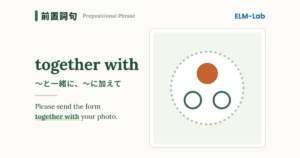
with は「何かを一緒に持っている、伴っている」ことを表す前置詞です。道具を手にしている(with a knife)ように、何かが付き添っている状態として捉えると整理しやすくなります。
どのような様子や手段を伴って行うか→様態・方法(with ease/with the help of)、どのような気持ちや態度を伴っているか→態度・感情(with confidence/with respect)、というように整理できます。
with regard to(〜に関しては)や with a view to(〜する目的で)などは、決まった形の表現として覚えましょう。関連・言及、目的・意図のグループにまとめています。with reason(もっともな理由があって)や with flying colors(見事に)なども、表現ごとに覚えるのがおすすめです。
様態・方法を表す with のフレーズ
どのようなやり方・様子で行うか、また誰の助けを借りて行うかを表すグループです。
She solved the puzzle with ease.
彼女はそのパズルを楽々と解いた。
He walked with difficulty after the injury.
彼はけがの後、苦労しながら歩いた。
Please handle the package with care.
その荷物は注意して扱ってください。
The surgeon performed the operation with skill.
その外科医は手術を巧みに行った。
He finished the marathon with great effort.
彼は大変な努力をしてマラソンを完走した。
The door was pushed open with force.
そのドアは強い力で押し開けられた。
The technician repaired the machine with great speed.
その技術者は非常に素早く機械を修理した。
He fixed the car with the help of his brother.
彼は兄の助けを借りて車を修理した。
態度・感情を表す with のフレーズ
どのような気持ち・態度を伴っているかを表すグループです。
She accepted the invitation with pleasure.
彼女は喜んでその招待を受けた。
The students listened with interest.
生徒たちは興味を持って聞いていた。
They welcomed the new members with open arms.
彼らは新しいメンバーを両手を広げて歓迎した。
He showed his medal with pride.
彼は誇らしげにそのメダルを見せた。
She answered the question with confidence.
彼女は自信を持ってその質問に答えた。
The team approached the project with enthusiasm.
チームは熱心にそのプロジェクトに取り組んだ。
He agreed to the plan with reluctance.
彼はしぶしぶその計画に同意した。
She greeted every customer with a smile.
彼女はどの客にも笑顔で挨拶した。
He accepted the defeat with dignity.
彼は堂々と敗北を受け入れた。
He spoke to his teacher with respect.
彼は先生に敬意を持って話した。
関連・言及を表す with のフレーズ
「〜に関しては」と、話題や対象を示すグループです。
I am writing with regard to your application.
あなたの申請に関してご連絡しています。
With reference to your email, I have attached the file.
あなたのメールに関して、ファイルを添付しました。
The rules differ with respect to age.
規則は年齢に関して異なる。
目的・意図を表す with のフレーズ
「〜するつもりで」「〜する目的で」と、目的や意図を表すグループです。後ろには動名詞(-ing形)がよく続きます。
She joined the club with the intention of making friends.
彼女は友達を作るつもりでそのクラブに入った。
The company hired more staff with a view to expanding.
その会社は拡大を見込んでスタッフを増やした。
The program was created with the aim of reducing waste.
そのプログラムは廃棄物を減らす目的で作られた。
その他の慣用表現を表す with のフレーズ
例外・理由・成績・時の経過・運・確実さ・勢い・見え方など、表現ごとに覚えておきたい with のフレーズです。
Everyone passed, with the exception of one student.
一人の生徒を除いて全員が合格した。
She refused the offer, and with reason.
彼女はその申し出を断ったが、それももっともだった。
She graduated from college with honors.
彼女は優等で大学を卒業した。
His knees got weaker with age.
彼のひざは年齢とともに弱くなった。
Things will get easier with time.
物事は時間とともに楽になるだろう。
Your pronunciation will improve with practice.
発音は練習を重ねれば上達する。
With luck, we’ll finish before dark.
運が良ければ、暗くなる前に終えられるだろう。
No one can predict the outcome with certainty.
誰も結果を確実に予測することはできない。
The festival ended with a bang.
その祭りは華々しく幕を閉じた。
The rain started again with a vengeance.
雨が再び激しく降り出した。
The stars were visible with the naked eye.
星は肉眼で見ることができた。
She passed the test with flying colors.
彼女はその試験に見事に合格した。
まとめて覚えるコツ
- まず「with=何かを伴っている」というイメージで捉える
- 何を伴っているか(様子・手段・気持ち)を意識しながら読む
- with regard to/with a view to などの決まった形の表現は、表現ごとに覚える
- without は with の否定形ではなく、反対の意味(〜なしに)を表す別の前置詞。別ページでまとめているので、あわせて確認すると定着しやすい
英語の音・つづり・語順を土台から整理する
ELMラボの教材一覧を見る